
Overcoming Shi Zheng, a Dampness Syndrome in Traditional Chinese Medicine, Mississauga
Shi Zheng or Dampness Syndrome in Traditional Chinese Medicine is a common pattern discussed in TCM theory that helps explain why some people experience heaviness, digestive discomfort, fatigue, and lingering health concerns. From a Traditional Chinese Medicine perspective, understanding Shi Zheng can provide valuable insight into how the body responds to internal and external imbalances and how holistic care may help support overall wellness.
At Bernadette Yu Wellness, we often educate patients in Mississauga and surrounding areas about TCM concepts like dampness so they can better understand their health from a traditional, holistic viewpoint.
What Is Shi Zheng, a Dampness Syndrome in Traditional Chinese Medicine?
In Traditional Chinese Medicine, Shi Zheng refers to a “full” or “excess” pattern, while dampness is considered a pathogenic factor that can accumulate in the body. When combined, Shi Zheng Dampness Syndrome describes a condition where dampness builds up and interferes with the body’s natural flow of Qi (vital energy) and fluids.
Dampness syndrome is characterized by qualities such as:
- Heaviness
- Stickiness
- Turbidity
- Slowness
These qualities help explain why symptoms related to dampness often feel lingering, stubborn, or difficult to resolve.
Dampness syndrome in TCM
Dampness as a Pathogenic Factor
In TCM theory, dampness can arise from:
- Environmental exposure (humid or damp climates)
- Dietary habits
- Internal organ imbalances
Unlike acute conditions, dampness tends to develop gradually and persist over time if not addressed.
External vs. Internal Dampness
- External dampness may come from living in humid environments or prolonged exposure to wet conditions.
- Internal dampness is often associated with digestive function, particularly the Spleen system in TCM.
6 Common Causes of Shi Zheng (Dampness syndrome)
From a Traditional Chinese Medicine perspective, Shi Zheng Dampness Syndrome may be associated with several lifestyle and constitutional factors:
- Diets high in greasy, fried, or overly sweet foods
- Excessive consumption of cold or raw foods
- Irregular eating habits
- Chronic stress affecting digestion
- Lack of physical movement
- Living in humid environments
These factors may weaken the body’s ability to transform and transport fluids, allowing dampness to accumulate.
6 Common Signs and Symptoms of Dampness Syndrome
Symptoms associated with Shi Zheng (Dampness Syndrome) in Traditional Chinese Medicine can vary from person to person. Commonly described signs include:
- A feeling of heaviness in the head, body or limbs
- Digestive discomfort or bloating
- Loose stools or sluggish digestion
- Fatigue or mental fog
- A sensation of fullness in the chest or abdomen
- Sticky or thick tongue coating (from a TCM observation perspective)
In TCM, symptoms are viewed as part of an overall pattern rather than isolated issues.
How Traditional Chinese Medicine Understands Dampness and the Body
The Role of the Spleen System
In TCM, the Spleen system plays a central role in digestion and fluid metabolism. When Spleen function is compromised, fluids may not be properly transformed, leading to dampness accumulation.
Dampness and Qi Flow
Dampness is considered “heavy” and “sticky,” which can slow the movement of Qi. This may explain why people with dampness patterns often feel sluggish or weighed down.
Acupuncture and Dampness Patterns in TCM
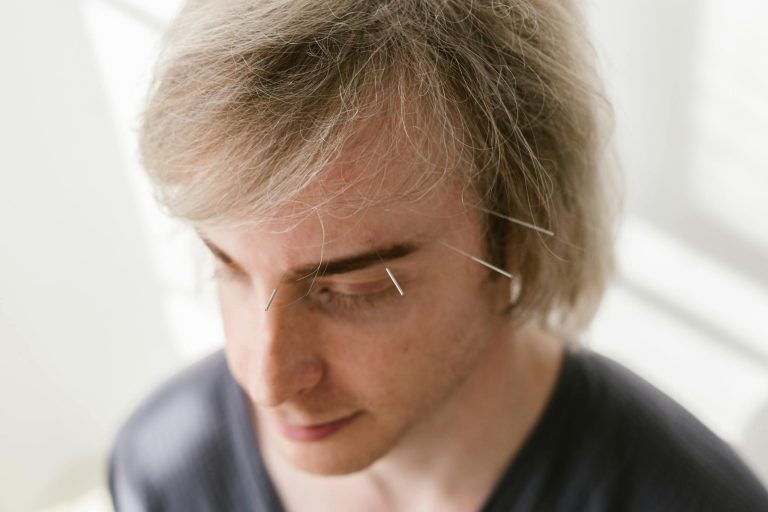
From a traditional perspective, acupuncture is commonly used to support balance when dampness patterns are present. Acupuncture points are selected based on the individual’s overall TCM pattern rather than a single symptom.
Potential goals of acupuncture in dampness patterns may include:
- Supporting healthy Qi movement
- Encouraging proper fluid transformation
- Promoting overall balance and vitality
You can learn more about our approach on our
👉 Acupuncture Services page)
Chinese Herbal Medicine & Dampness (Educational Overview)
Chinese Herbal Medicine has a long history within Traditional Chinese Medicine and is traditionally used to address various patterns, including dampness. Herbs are selected based on their energetic properties rather than their chemical composition.
From an educational standpoint, herbs used in dampness-related patterns may be described as:
- Aromatic
- Drying
- Supporting digestive function
Herbal recommendations are always individualized and provided only after a proper consultation.
Learn more about this service here:
👉 Chinese Herbal Medicine at Bernadette Yu Wellness)
Holistic Nutrition & Lifestyle Considerations in TCM
Dietary Principles from a TCM Perspective for dampness syndrome
Traditional Chinese Medicine emphasizes warm, cooked, and easy-to-digest foods for individuals with dampness patterns. Common dietary considerations may include:
- Favoring cooked vegetables and soups
- Reducing greasy or overly sweet foods
- Eating regular meals
Lifestyle Support
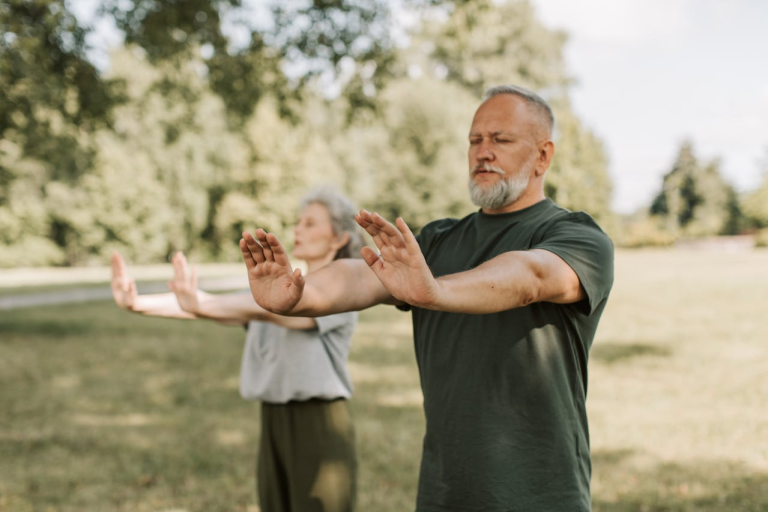
- Gentle movement such as walking or stretching
- Managing stress levels
- Maintaining regular daily routines
At Bernadette Yu Wellness, holistic nutrition consultations are offered to support overall wellness using both traditional principles and modern insights.
How Bernadette Yu Wellness Supports Patients in Mississauga
At Bernadette Yu Wellness, we take a patient-centered, holistic approach rooted in Traditional Chinese Medicine principles. Our services are designed to support overall balance and well-being, not to treat or diagnose specific medical conditions.
Services include:
- Acupuncture
- Holistic nutrition consultations
- Bioenergetic testing
- Chinese Herbal Medicine (when appropriate)
We proudly serve young children and adults in Mississauga, Ontario, and surrounding communities who are seeking natural, drug-free wellness support.
For additional educational reading, you may find this article helpful:
👉 Understanding Digestive Health from a TCM Perspective)
Frequently Asked Questions (FAQ)
What does Shi Zheng (Dampness Syndrome) mean in TCM?
Shi Zheng refers to an “excess” pattern in Traditional Chinese Medicine, indicating the presence of a pathogenic factor such as dampness.
Is dampness a medical diagnosis?
No. Dampness is a Traditional Chinese Medicine concept, not a biomedical diagnosis. It is used to describe patterns of imbalance within TCM theory.
Can acupuncture help with dampness patterns?
From a traditional perspective, acupuncture is commonly used to support balance and overall wellness when dampness patterns are present.
How long does it take to address dampness in TCM?
TCM views each person as unique. The timeframe may vary depending on lifestyle, constitution, and consistency with care.
Educational Disclaimer
This blog post is for educational purposes only and is based on Traditional Chinese Medicine theory. It does not diagnose, treat, cure, or prevent any medical condition. Always consult a qualified healthcare professional regarding your health concerns.
Ready to Learn More?
If you’re interested in learning how Traditional Chinese Medicine approaches patterns like dampness, we invite you to explore holistic care options at Bernadette Yu Wellness.
📍 Serving Mississauga, Ontario
🌿 Natural, patient-centered wellness care
👉 Contact us today to book a consultation or learn more about our services.
Sources:
Further Reading (selected)
- Core review summarizing Shi Zheng and related evidence: Wang et al., Chin Med. 2025
- Mechanistic and clinical insights: sections on RA , NAFLD , and GA
- Practical modeling and translational suggestions: Discussion and Conclusion